POLITICS
Sonia Bélanger Appointed as Quebec Health Minister Following Christian Dubé’s Resignation
Sonia Bélanger replaces Christian Dubé as Quebec Health Minister after his sudden resignation. Read about the political shift, the stalled negotiations with doctors, and the future of Santé Québec.


A Seismic Shift in Quebec’s Healthcare Leadership
In a move that has sent shockwaves through the National Assembly in Quebec City, Sonia Bélanger has been officially tapped to replace Christian Dubé as the province’s Minister of Health. The transition comes following the sudden resignation of Dubé on Thursday, a departure that marks the end of a high-stakes tenure defined by ambitious structural overhauls and, ultimately, a breakdown in negotiations with the province’s medical community. Premier François Legault announced the cabinet shuffle during a press conference, emphasizing the need for a ‘fresh perspective’ while maintaining the momentum of the government’s healthcare reforms.
The Catalyst: Stalled Negotiations and Professional Friction
The resignation of Christian Dubé, often viewed as one of the most powerful and influential ministers in the Coalition Avenir Québec (CAQ) cabinet, was reportedly precipitated by a total impasse in negotiations with the province’s physicians. For months, Dubé had been at the center of a tug-of-war with the Fédération des médecins omnipraticiens du Québec (FMOQ) and the Fédération des médecins spécialistes du Québec (FMSQ). The core of the dispute revolved around the government’s demands for increased productivity, expanded access to primary care, and the controversial mandates within Bill 15.
Dubé, a former businessman and accountant, brought a corporate lens to the Ministry of Health, aiming to streamline operations and introduce stricter accountability measures for doctors. However, this approach frequently clashed with the clinical autonomy and labor expectations of the province’s family physicians. Sources close to the cabinet suggest that the ‘confrontational’ atmosphere had become unsustainable, leading to Dubé’s decision to step down to allow a different diplomatic approach to take root.
Enter Sonia Bélanger: A Clinical and Administrative Veteran
Sonia Bélanger is no stranger to the complexities of the Quebec health network. Before being elected as the MNA for Prévost and serving as the Minister Responsible for Seniors, Bélanger built a distinguished career as a healthcare executive. Most notably, she served as the President and CEO of the CIUSSS du Centre-Sud-de-l’Île-de-Montréal, one of the largest healthcare networks in the province. Her background as a nurse and her deep understanding of hospital administration provide her with a unique advantage that her predecessor lacked: frontline clinical experience.
Political analysts suggest that Bélanger’s appointment is a strategic pivot by the Legault government. By installing a leader who is widely respected by health professionals for her administrative competence and empathetic communication style, the CAQ hopes to lower the temperature of labor relations. Her immediate task will be to resume talks with the FMOQ and ensure that the government’s ‘Health Plan’ can be implemented without the constant threat of professional strikes or service withdrawals.
The Legacy of Bill 15 and the Future of Santé Québec
Christian Dubé’s most significant contribution to the province’s history will undoubtedly be the passage of Bill 15 and the creation of Santé Québec. This new agency was designed to act as the sole employer for the health network, centralizing management and moving administrative duties away from the Ministry itself. While Dubé laid the groundwork and recruited a board of ‘Top Gun’ executives from the private sector to lead the agency, it will now fall to Sonia Bélanger to oversee its actual execution.
The transition raises questions about whether the implementation of Santé Québec will be delayed or adjusted. Opposition parties, including the Liberal Party of Quebec and the Parti Québécois, have already voiced concerns that a change in leadership during such a massive structural transition could lead to further instability in patient care. Bélanger must now demonstrate that she can maintain the ‘Efficiency’ goals set by Dubé while addressing the severe staffing shortages and burnout affecting nurses and support staff across the province.
Reaction from the Medical Community and Opposition
The FMOQ released a cautious statement following the news, acknowledging the change in leadership and expressing hope for a more collaborative relationship with Minister Bélanger. ‘We are ready to return to the table with a partner who understands the clinical reality of our members,’ the statement read. Meanwhile, critics in the National Assembly have pointed to Dubé’s exit as a sign of a government in crisis, arguing that the CAQ’s healthcare strategy has been too focused on bureaucracy and not enough on patient outcomes.
Despite these criticisms, Premier Legault expressed full confidence in Bélanger. ‘Sonia has the heart of a caregiver and the mind of a CEO,’ Legault told reporters. ‘She is exactly who we need to bridge the gap between the government’s vision and the reality on the ground in our clinics and hospitals.’
Conclusion: A High-Stakes Mandate
As Sonia Bélanger takes her seat at the head of the Ministry of Health, the stakes could not be higher. Quebecers continue to face long wait times in emergency rooms and difficulty accessing family doctors. The success of the CAQ’s second mandate rests largely on the success of the healthcare portfolio. While the Dubé era has ended with a sense of unfinished business, the Bélanger era begins with the promise of reconciliation and a renewed focus on the people at the center of the system. Whether this change in personnel will lead to a change in results remains the most critical question facing the Quebec government today.




NB STORIES
A Conservative Organizer Aims to Launch a New Centre-Right Movement in New Brunswick
A New Brunswick conservative volunteer is working to establish a new centre-right party following Daniel Allain’s PC leadership convention victory.

Organizers Pursue Registration for New Provincial Movement
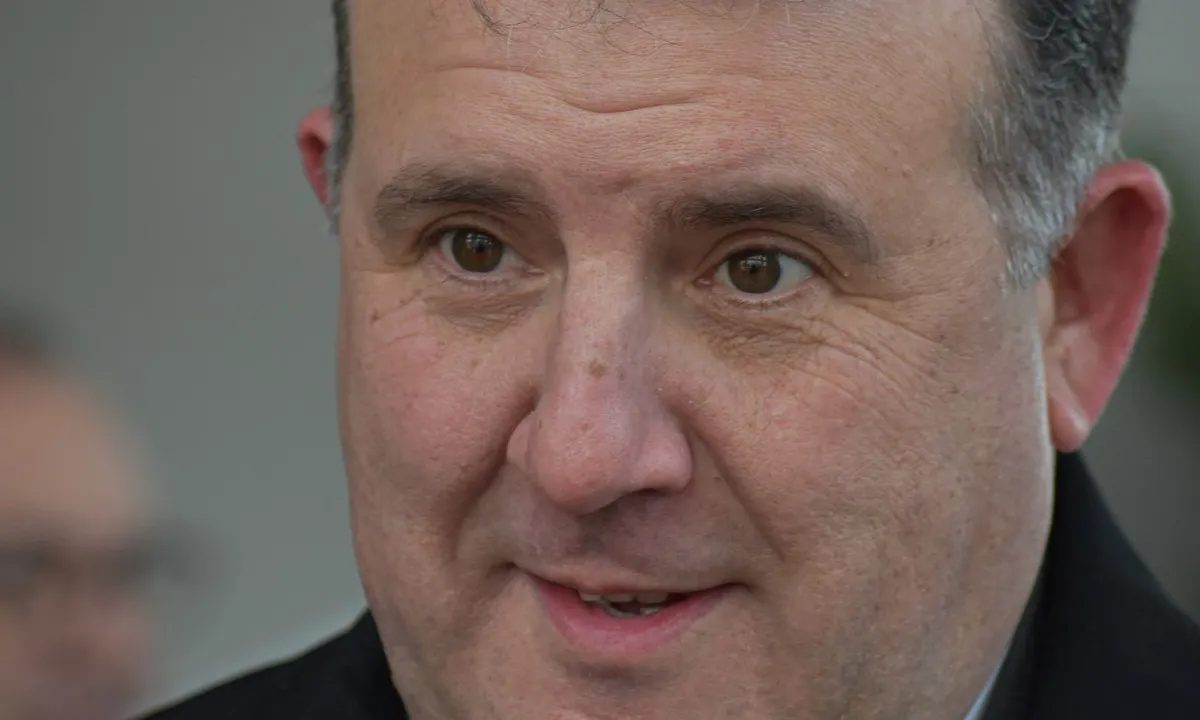
Efforts are underway to establish a new centre-right political organization called The New Brunswick Party. Organizer Jason Purdy, a longtime conservative volunteer, announced the initiative following the election of Daniel Allain as leader of the Progressive Conservative Party of New Brunswick.
Elections NB spokesperson Paul Harpelle confirmed staff have answered inquiries regarding a potential new party, though no official registration documents have been submitted yet. Purdy indicated he intends to complete the necessary filings within roughly a month.
Targeting Strategic Byelections and Rural Voters
The movement’s immediate strategy involves running a candidate in an eventual legislative byelection required for Allain to win a seat. Purdy noted that the goal is either to secure the seat outright or split the vote to cause a loss, thereby prompting the Progressive Conservatives to re-evaluate their leadership. He specifically mentioned rural Anglophone voters as a primary focus for support.
Purdy’s proposed platform emphasizes fiscal accountability, responsible government, support for public healthcare alongside private options, legal abortion access, and parental rights in education. He criticized Allain’s platform as socially progressive and overly costly.
Party Leadership Distances Itself From Initiative
Progressive Conservative figures have publicly rejected the proposed breakaway effort. Allain expressed confidence in his party’s position, pointing to over 4,000 members who participated in the recent leadership vote, and stated he is not concerned about losing votes to a new group.
Other prominent party members have similarly maintained their alignment. Don Monahan stated he is 100 per cent committed to the party under Allain’s leadership and declined involvement. Progressive Conservative MLA Kris Austin confirmed Purdy remains a local riding director for now, but noted that Purdy cannot retain a director position on a PC board while building a competing political party.
NB STORIES
Why Calls for Mandatory Training for New Municipal Leaders Are Growing in New Brunswick
New Brunswick’s Local Governance Commission calls for mandatory training and free legal advice to support municipal leaders and avoid council conflicts.
Province Facing Calls for Mandatory Local Governance Training
New Brunswick’s Local Governance Commission has reiterated its demand for mandatory training for local elected officials in its latest annual report. The provincial government previously declined to implement a mandatory system, choosing instead to organize an optional two-day event in Saint John this past June.
The commission warned that the current voluntary approach fails to guarantee equal and consistent access to crucial information for all municipal leaders. It noted that standardized instruction could help prevent conflicts that have historically caused councils to disband or fall under provincial supervision.
Accessibility and Travel Costs Present Barriers for Smaller Communities
Attending in-person sessions poses significant financial and logistical challenges for resource-strapped towns. “We have communities that can’t afford lawn mowers or snow blowers,” said Union of Municipalities of New Brunswick president Brittany Merrifield, “and so it would be a real stretch for them to send an entire council to another municipality to stay for two or three days.”
Scheduling conflicts also kept some local leaders away. Grand Bay-Westfield’s mayor and six councillors were unable to attend the provincial training because it overlapped with their own pre-planned orientation. Merrifield explained, “[The province] booked their training the same weekend… We chose to attend our own because it had already been set up and we’d expended some resources to make sure that it was going to happen.”
Municipalities Seek Direct Legal and Technical Support
Provincial spokesperson Bruce Macfarlane reported that roughly 550 staff members and elected representatives attended the Saint John event. He stated that the department is reviewing the commission’s recommendations, remains open to offering guidance on request, and is scheduling additional training sessions for the fall.
Beyond formal instruction, advisory groups are pushing for free, specialized provincial assistance to interpret complex legislation like the Local Governance Act and the Regional Services Delivery Act. Dan Murphy, executive director of the municipal union, revealed that inquiries from local governments seeking advice rose by approximately 40 per cent over the past year. While experienced colleagues currently offer informal mentoring, Murphy emphasized that officials need direct support “from the people who own the legislation.”
NB STORIES
New Brunswick Progressive Conservatives to Reveal New Leader as Convention Concludes
New Brunswick Progressive Conservatives announce their new leader today in Fredericton, choosing between Daniel Allain and Don Monahan.
Mail-In Ballots Decide Outcome
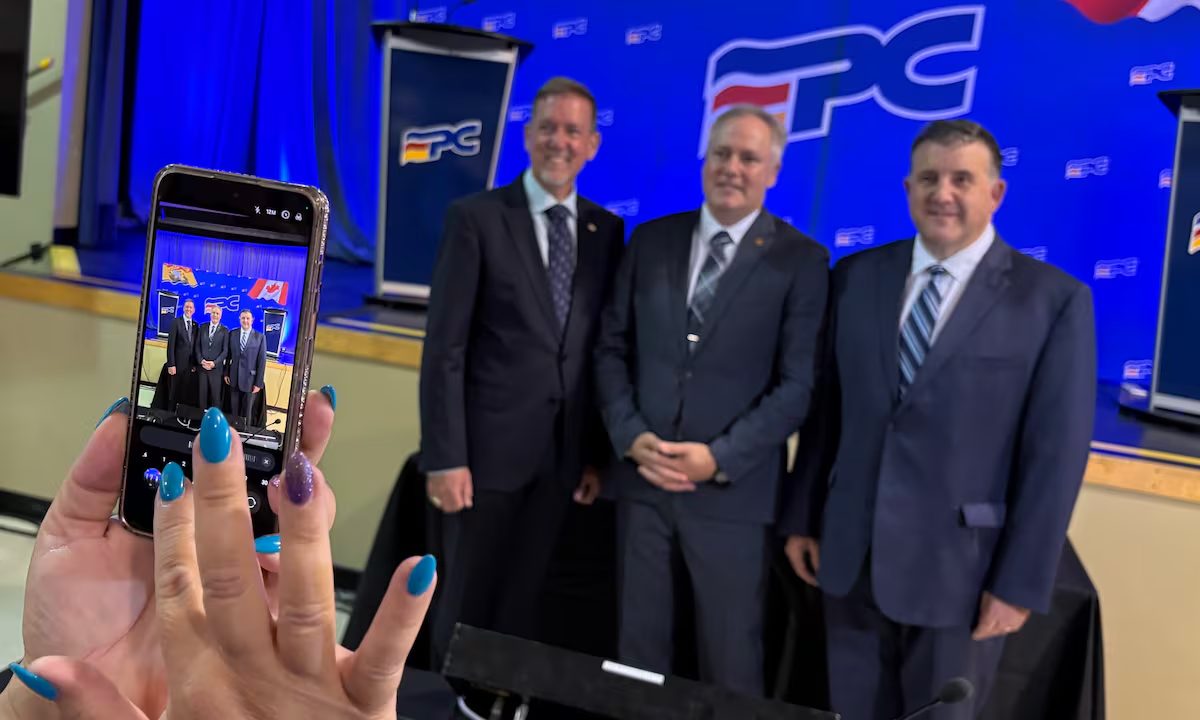
The Progressive Conservative Party of New Brunswick will name its next leader today at the Fredericton Convention Centre. The announcement is expected at approximately 4:45 p.m., following the conclusion of mail-in voting that closed on Wednesday. No votes will be cast in person during the convention itself.
Two Candidates Compete Following Election Defeat
The leadership contest features former cabinet minister Daniel Allain alongside rookie MLA Don Monahan. The race was triggered last year after former premier Blaine Higgs resigned in October 2024, following a decisive election victory by the Liberal Party.
Party Division Marks the Race
While Allain secured numerous endorsements from current and former MPs, MLAs, and party executives, he also encountered criticism from within the party. In 2023, Allain was among six PC MLAs who joined the opposition Liberals to vote against Higgs on a controversial provincial school policy concerning gender-inclusive pronouns. Allain served as minister of local government from 2020 until he was removed from cabinet in 2023 following that vote. Monahan entered provincial politics after winning the seat for Arcadia-Butternut Valley-Maple Hills in the 2024 election. The chosen leader will guide the party toward the next provincial election, scheduled for October 2028.
Your Current 3 Day Forecast — October 23, 2026
Dissident PC Member Prepares to Launch New Political Option in New Brunswick

A Conservative Organizer Aims to Launch a New Centre-Right Movement in New Brunswick

Why B.C. Lions Starters Are Resting as the Regular Season Concludes Against Winnipeg

What the Latest Strike Delay Means for the Arbec Wellness Centre Opening

Why Alberta’s Government Is Ruling Out Future Separation Votes

B.C. Supreme Court Grants Cowichan Tribes Title to Historic Richmond Lands and Fishing Rights

Vancouver Canucks Gear Up for a Make-or-Break 2025–26 Season

Land Title and Reconciliation: Canada Can’t Afford to Let Uncertainty Fester

Team B.C. Secures Margaret Todd Trophy at National Women’s Mid-Amateur Golf

Ottawa Unveils Build Canada Homes with $13B to Tackle Housing Crisis

Blue Jays Extend Win Streak, but Lose Bichette for Regular Season
-
 NATIONAL STORIES7 days ago
Why Albertans Are Heading to the Polls on the Question of Canadian Unity
-
 NB STORIES6 days ago
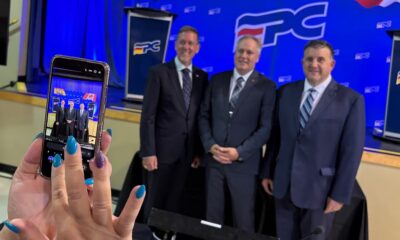
New Brunswick Progressive Conservatives to Reveal New Leader as Convention Concludes
-
 NATIONAL STORIES6 days ago
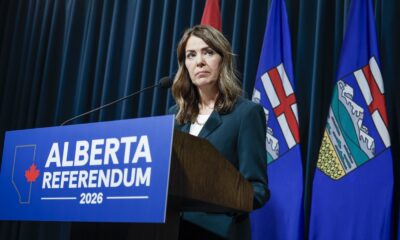
Decades of Western Alienation Lead Albertans to Referendum on Canada’s Future
-
LOCAL4 days ago
Your Current 3 Day Forecast — October 19, 2026
-
LOCAL6 days ago
Your Current 3 Day Forecast — October 17, 2026
-
NATIONAL STORIES5 days ago
Tragedy at CFB Wainwright frames last-minute calls for unity as Albertans prepare for referendum vote
-
LOCAL5 days ago
Your Current 3 Day Forecast — October 18, 2026
-
COMMUNITY3 days ago
Redeployment of Primary Care Nurse Practitioners to Emergency Rooms Raises Safety Concerns in Northern New Brunswick