POLITICS
The Phoenix Rebirth: Erika Kirk and the Chaotic Future of Turning Point USA
Explore the chaotic Turning Point USA AmericaFest in Phoenix, where Erika Kirk takes leadership after Charlie Kirk’s death, shaping the future of conservative youth activism.


The Shadow of a Founder
The air in the Phoenix Convention Center was thick with more than just the scent of overpriced coffee and youthful ambition; it was heavy with the weight of a movement undergoing a violent transformation. This year’s AmericaFest, the flagship event for Turning Point USA (TPUSA), arrived at a critical juncture in American conservative history. Following the assassination of its founder, Charlie Kirk, in September, the organization found itself at a crossroads between collapse and radical evolution. For many in attendance, the event was less a traditional political convention and more a high-stakes vigil for the future of the American Right. The scorching Arizona sun, even in the winter months, mirrored the heat of the debates occurring inside the glass walls. Outside, small pockets of protesters and counter-protesters traded insults, creating a perimeter of tension that defined the physical and ideological boundaries of the AmFest experience.
Erika Kirk Takes the Stage
At the center of this storm is Erika Kirk, who stepped into the leadership role vacated by her husband under the most tragic of circumstances. Addressing a crowd of thousands, she maintained a composure that many found both surprising and defiant. “Say what you want about AmFest, but it’s definitely not boring,” she told the audience midway through the convention. Her words served as a mantra for an event that frequently veered into the unpredictable, blending the high-octane aesthetics of a rock concert with the solemn fervor of a political revival. Erika has been forced to balance her private grief with a very public demand for strength, a role she has embraced with a mix of traditionalist rhetoric and modern media savvy. Her presence on stage was a visual reminder of the organization’s shift toward a legacy-driven narrative.
A Movement in Transition
The atmosphere was described by many attendees as “controlled chaos.” From the main stage, speakers decried the “radical left” and the “deep state” with renewed intensity, framing Charlie Kirk’s death not just as a personal loss but as a political martyrdom. The halls were filled with Gen Z activists donning “Kirk Forever” hats, mingling with veteran political consultants who seemed unsure of the movement’s stability without its primary architect. The demographic makeup of the event remained overwhelmingly young, a testament to the organization’s continued grip on a specific segment of the American electorate that values disruption over tradition. Young men in suits and young women in cocktail dresses treated the event like a high-stakes networking mixer, their eyes constantly flitting to their phones to check the latest trending hashtags and viral clips from the floor.
The Logistics of Chaos
Despite the mourning, the convention prioritized momentum over melancholy. Large-scale pyrotechnics, rock-concert lighting, and a relentless schedule of influencers ensured that the energy remained at a fever pitch. However, cracks in the facade were visible to the trained eye. Reports of shouting matches between different factions of the MAGA movement surfaced in the media lounges, highlighting a power vacuum that Erika Kirk is still struggling to navigate. Security was noticeably tighter than in previous years, with bag checks and armed guards serving as a constant reminder of the tragedy that had catapulted Erika into the spotlight. Some attendees expressed concerns that without Charlie’s specific brand of polarizing charisma, the organization might splinter into smaller, more radicalized groups, losing its cohesive power on the national stage.
Mainstage Rhetoric and Digital Warfare
The rhetoric from the podium was sharper and more existential than in previous years. Speakers who once focused on fiscal conservatism or campus free speech now pivoted to themes of national survival and spiritual retribution. The digital footprint of the event was equally massive, with millions of impressions on social media platforms as TPUSA influencers live-streamed every moment to their followers. This digital warfare is the hallmark of the Kirk legacy, and the convention proved that the infrastructure for viral content remains robust. However, the absence of Charlie’s voice, the one that could tie disparate grievances into a single, cohesive narrative, was felt during the quieter moments between panels. The speakers often struggled to find a unifying theme beyond the shared sense of loss and the desire for political victory at any cost.
Political Implications and the Road Ahead
Political analysts watching the event from afar noted that AmFest has become a litmus test for the Republican party’s youth appeal. “TPUSA has always been the bridge between online meme culture and grassroots activism,” said one political strategist present at the event. “With Erika at the helm, we are seeing a shift toward a more emotional, legacy-driven narrative. It is less about policy and more about the survival of the movement itself.” The stakes are high as the next election cycle looms, and the unity of this base is far from guaranteed. The convention served as a siren call to the party’s leaders that the youth wing will not be easily tamed or redirected by traditional party structures.
The Lasting Impact of AmFest
As the sun set over the Phoenix skyline on the convention’s final day, the legacy of the event remained a subject of intense debate. Was it a defiant stand against adversity or the beginning of a slow decline for an organization that defined a decade of conservative youth activism? For Erika Kirk, the answer was simple: the movement is too big to fall. As she navigated the backstage corridors, surrounded by security and adoring fans, the chaotic spirit of AmericaFest seemed to be the only thing keeping the grief at bay. The convention proved that while leaders may fall, the infrastructure of modern political spectacle is designed to endure, fueled by a mixture of anger, hope, and an unwavering commitment to the idea that the future of America must be fought for on the stage. The phoenix, it seems, is still rising, though it is currently wreathed in the smoke and fire of a movement in deep mourning and desperate search for its next chapter.








NB STORIES
A Conservative Organizer Aims to Launch a New Centre-Right Movement in New Brunswick
A New Brunswick conservative volunteer is working to establish a new centre-right party following Daniel Allain’s PC leadership convention victory.

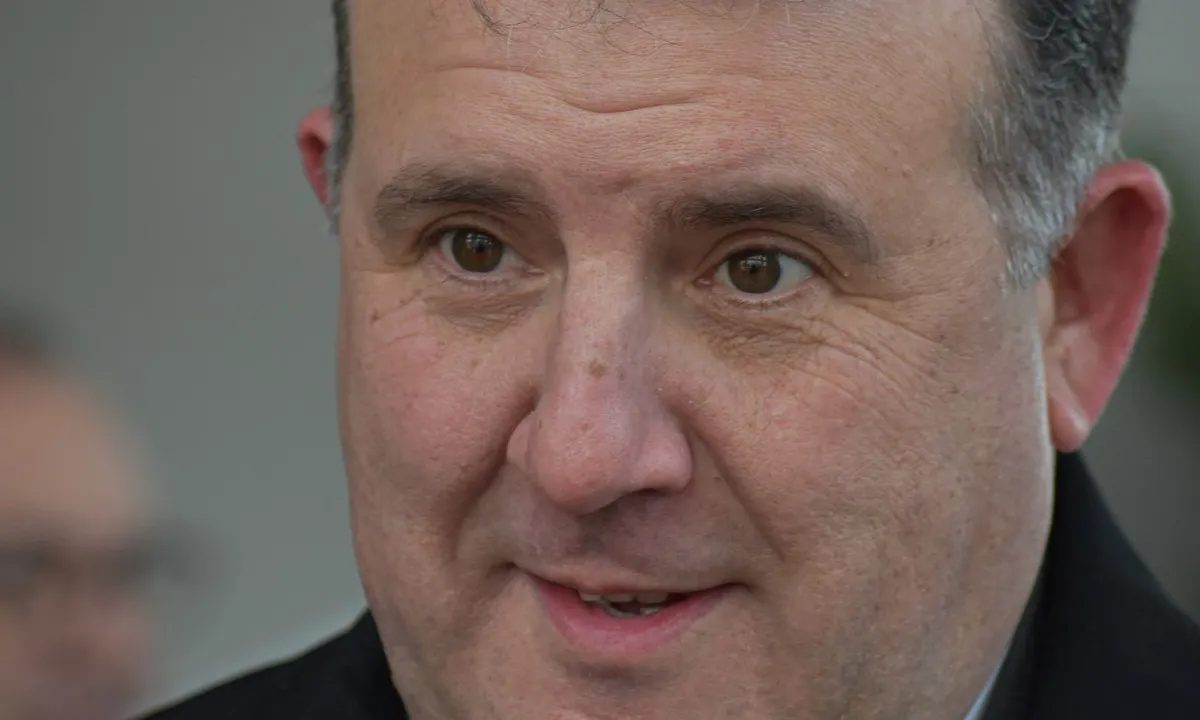
Organizers Pursue Registration for New Provincial Movement
Efforts are underway to establish a new centre-right political organization called The New Brunswick Party. Organizer Jason Purdy, a longtime conservative volunteer, announced the initiative following the election of Daniel Allain as leader of the Progressive Conservative Party of New Brunswick.
Elections NB spokesperson Paul Harpelle confirmed staff have answered inquiries regarding a potential new party, though no official registration documents have been submitted yet. Purdy indicated he intends to complete the necessary filings within roughly a month.
Targeting Strategic Byelections and Rural Voters
The movement’s immediate strategy involves running a candidate in an eventual legislative byelection required for Allain to win a seat. Purdy noted that the goal is either to secure the seat outright or split the vote to cause a loss, thereby prompting the Progressive Conservatives to re-evaluate their leadership. He specifically mentioned rural Anglophone voters as a primary focus for support.
Purdy’s proposed platform emphasizes fiscal accountability, responsible government, support for public healthcare alongside private options, legal abortion access, and parental rights in education. He criticized Allain’s platform as socially progressive and overly costly.
Party Leadership Distances Itself From Initiative
Progressive Conservative figures have publicly rejected the proposed breakaway effort. Allain expressed confidence in his party’s position, pointing to over 4,000 members who participated in the recent leadership vote, and stated he is not concerned about losing votes to a new group.
Other prominent party members have similarly maintained their alignment. Don Monahan stated he is 100 per cent committed to the party under Allain’s leadership and declined involvement. Progressive Conservative MLA Kris Austin confirmed Purdy remains a local riding director for now, but noted that Purdy cannot retain a director position on a PC board while building a competing political party.
NB STORIES
Why Calls for Mandatory Training for New Municipal Leaders Are Growing in New Brunswick
New Brunswick’s Local Governance Commission calls for mandatory training and free legal advice to support municipal leaders and avoid council conflicts.
Province Facing Calls for Mandatory Local Governance Training
New Brunswick’s Local Governance Commission has reiterated its demand for mandatory training for local elected officials in its latest annual report. The provincial government previously declined to implement a mandatory system, choosing instead to organize an optional two-day event in Saint John this past June.
The commission warned that the current voluntary approach fails to guarantee equal and consistent access to crucial information for all municipal leaders. It noted that standardized instruction could help prevent conflicts that have historically caused councils to disband or fall under provincial supervision.
Accessibility and Travel Costs Present Barriers for Smaller Communities
Attending in-person sessions poses significant financial and logistical challenges for resource-strapped towns. “We have communities that can’t afford lawn mowers or snow blowers,” said Union of Municipalities of New Brunswick president Brittany Merrifield, “and so it would be a real stretch for them to send an entire council to another municipality to stay for two or three days.”
Scheduling conflicts also kept some local leaders away. Grand Bay-Westfield’s mayor and six councillors were unable to attend the provincial training because it overlapped with their own pre-planned orientation. Merrifield explained, “[The province] booked their training the same weekend… We chose to attend our own because it had already been set up and we’d expended some resources to make sure that it was going to happen.”
Municipalities Seek Direct Legal and Technical Support
Provincial spokesperson Bruce Macfarlane reported that roughly 550 staff members and elected representatives attended the Saint John event. He stated that the department is reviewing the commission’s recommendations, remains open to offering guidance on request, and is scheduling additional training sessions for the fall.
Beyond formal instruction, advisory groups are pushing for free, specialized provincial assistance to interpret complex legislation like the Local Governance Act and the Regional Services Delivery Act. Dan Murphy, executive director of the municipal union, revealed that inquiries from local governments seeking advice rose by approximately 40 per cent over the past year. While experienced colleagues currently offer informal mentoring, Murphy emphasized that officials need direct support “from the people who own the legislation.”
NB STORIES
New Brunswick Progressive Conservatives to Reveal New Leader as Convention Concludes
New Brunswick Progressive Conservatives announce their new leader today in Fredericton, choosing between Daniel Allain and Don Monahan.
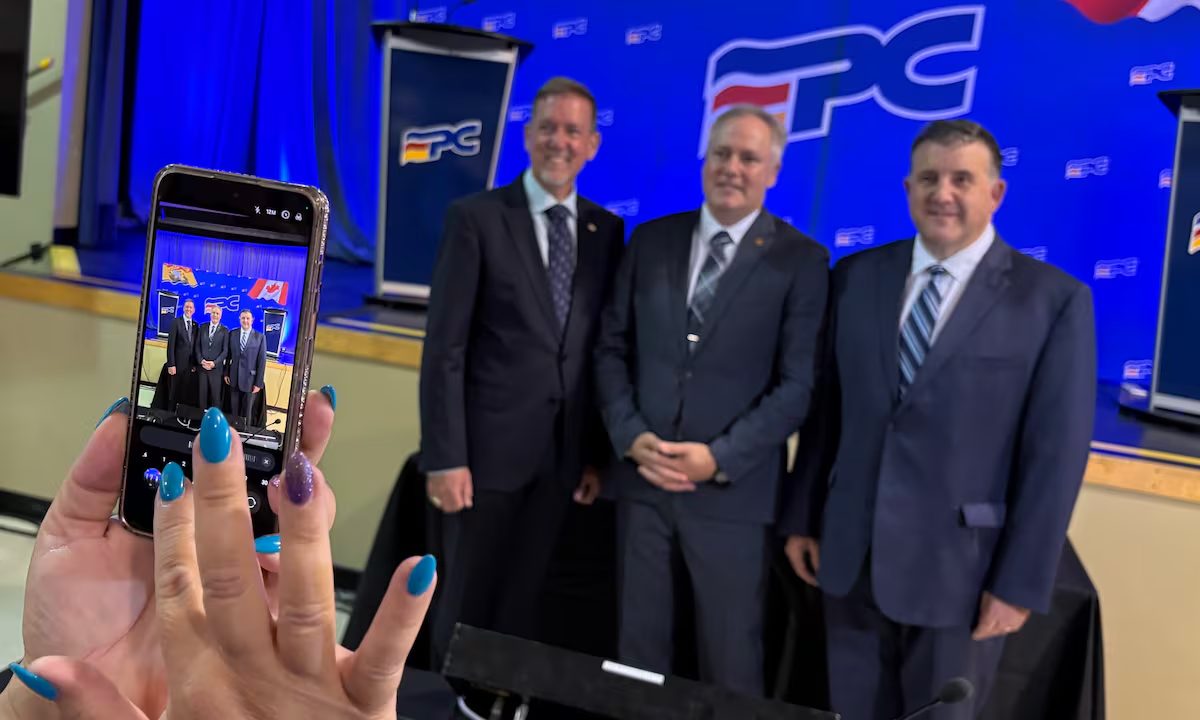
Mail-In Ballots Decide Outcome
The Progressive Conservative Party of New Brunswick will name its next leader today at the Fredericton Convention Centre. The announcement is expected at approximately 4:45 p.m., following the conclusion of mail-in voting that closed on Wednesday. No votes will be cast in person during the convention itself.
Two Candidates Compete Following Election Defeat
The leadership contest features former cabinet minister Daniel Allain alongside rookie MLA Don Monahan. The race was triggered last year after former premier Blaine Higgs resigned in October 2024, following a decisive election victory by the Liberal Party.
Party Division Marks the Race
While Allain secured numerous endorsements from current and former MPs, MLAs, and party executives, he also encountered criticism from within the party. In 2023, Allain was among six PC MLAs who joined the opposition Liberals to vote against Higgs on a controversial provincial school policy concerning gender-inclusive pronouns. Allain served as minister of local government from 2020 until he was removed from cabinet in 2023 following that vote. Monahan entered provincial politics after winning the seat for Arcadia-Butternut Valley-Maple Hills in the 2024 election. The chosen leader will guide the party toward the next provincial election, scheduled for October 2028.
Your Current 3 Day Forecast — October 23, 2026
Dissident PC Member Prepares to Launch New Political Option in New Brunswick

A Conservative Organizer Aims to Launch a New Centre-Right Movement in New Brunswick

Why B.C. Lions Starters Are Resting as the Regular Season Concludes Against Winnipeg

What the Latest Strike Delay Means for the Arbec Wellness Centre Opening

Why Alberta’s Government Is Ruling Out Future Separation Votes

B.C. Supreme Court Grants Cowichan Tribes Title to Historic Richmond Lands and Fishing Rights

Vancouver Canucks Gear Up for a Make-or-Break 2025–26 Season

Land Title and Reconciliation: Canada Can’t Afford to Let Uncertainty Fester

Team B.C. Secures Margaret Todd Trophy at National Women’s Mid-Amateur Golf

Ottawa Unveils Build Canada Homes with $13B to Tackle Housing Crisis

Blue Jays Extend Win Streak, but Lose Bichette for Regular Season
-
 NATIONAL STORIES7 days ago
Why Albertans Are Heading to the Polls on the Question of Canadian Unity
-
 NB STORIES6 days ago
New Brunswick Progressive Conservatives to Reveal New Leader as Convention Concludes
-
 NATIONAL STORIES6 days ago
Decades of Western Alienation Lead Albertans to Referendum on Canada’s Future
-
LOCAL4 days ago
Your Current 3 Day Forecast — October 19, 2026
-
LOCAL6 days ago
Your Current 3 Day Forecast — October 17, 2026
-
NATIONAL STORIES5 days ago
Tragedy at CFB Wainwright frames last-minute calls for unity as Albertans prepare for referendum vote
-
LOCAL5 days ago
Your Current 3 Day Forecast — October 18, 2026
-
NB STORIES4 days ago
Why Calls for Mandatory Training for New Municipal Leaders Are Growing in New Brunswick