HEALTH
How B.C. Could Shift Sexual Health Care to Better Support Young People
A new report from UBC and Options for Sexual Health outlines how B.C. can improve youth sexual health care, education, and confidential community services.


Pilot Projects to Test Non-Clinical Delivery Spaces
Two new pilot projects will launch this fall to deliver sexual health care within multi-use settings rather than traditional clinical environments. The initiative follows research from Options for Sexual Health and the University of British Columbia, funded by the Canadian Institutes of Health Research, which examined how to improve services for individuals aged 15 to 29 across B.C.
Researchers surveyed 47 providers alongside 91 young people, concentrating on underserved, rural, remote, and mixed urban-rural areas. Despite recent provincial advancements—such as cost-free prescription contraceptives, mail-order cancer screening, expanded abortion medication access, and confidential online STI testing—the study highlights ongoing challenges. Rates of sexually transmitted infections, early parenting, unexpected pregnancies, and sexual violence remain disproportionately elevated in equity-deserving and rural communities.
Barriers to Confidentiality and Reliable Information
Young participants described feeling overwhelmed by internet misinformation and social media anecdotes that distort perspectives on sexual health. Furthermore, youth knowledge levels have not advanced compared to previous decades. In smaller towns, navigating transportation and maintaining privacy pose significant obstacles, especially when local clinic or pharmacy staff are personally known to the patient.
To protect confidentiality, health-care providers can meet patients in community spaces using pop-up clinics when physical examinations are not required. Nicole Pasquino, clinical director at Options for Sexual Health, noted that B.C. has no set age requirement for medical consent. Instead, practitioners determine whether a minor demonstrates the capacity for informed decision-making, allowing access to care without parental permission.
Youth Demand Specialized Educators and Integrated Care
School-based sexual health education remains inconsistent across the province because teacher training programs do not mandate sex education preparation. The report found that youth overwhelmingly prefer receiving instruction from specialized external educators who offer inclusive, age-appropriate lessons. Options for Sexual Health provides certified educators to school districts that elect to fund them.
Rachel Bergen, sexual health evaluation project lead at UBC, emphasized that minor adjustments to existing delivery models can greatly increase accessibility. Successful examples include public health nurses visiting high schools and youth clinics weekly in the Comox Valley. Youth consulted across regions including Fernie, Vernon, Whistler, Maple Ridge, Salt Spring Island, Clayoquot Sound, and the Lower Mainland expressed a clear preference for integrated, one-stop-shop services combining primary, mental, and sexual health care.









HEALTH
What You Need to Know About the Recent Surge in St. Stephen Overdose Calls
RCMP are investigating potential criminal links following a rise in drug overdose calls in St. Stephen, N.B., where multiple people were hospitalized.
Emergency Responders Handle Spike in St. Stephen Overdose Incidents
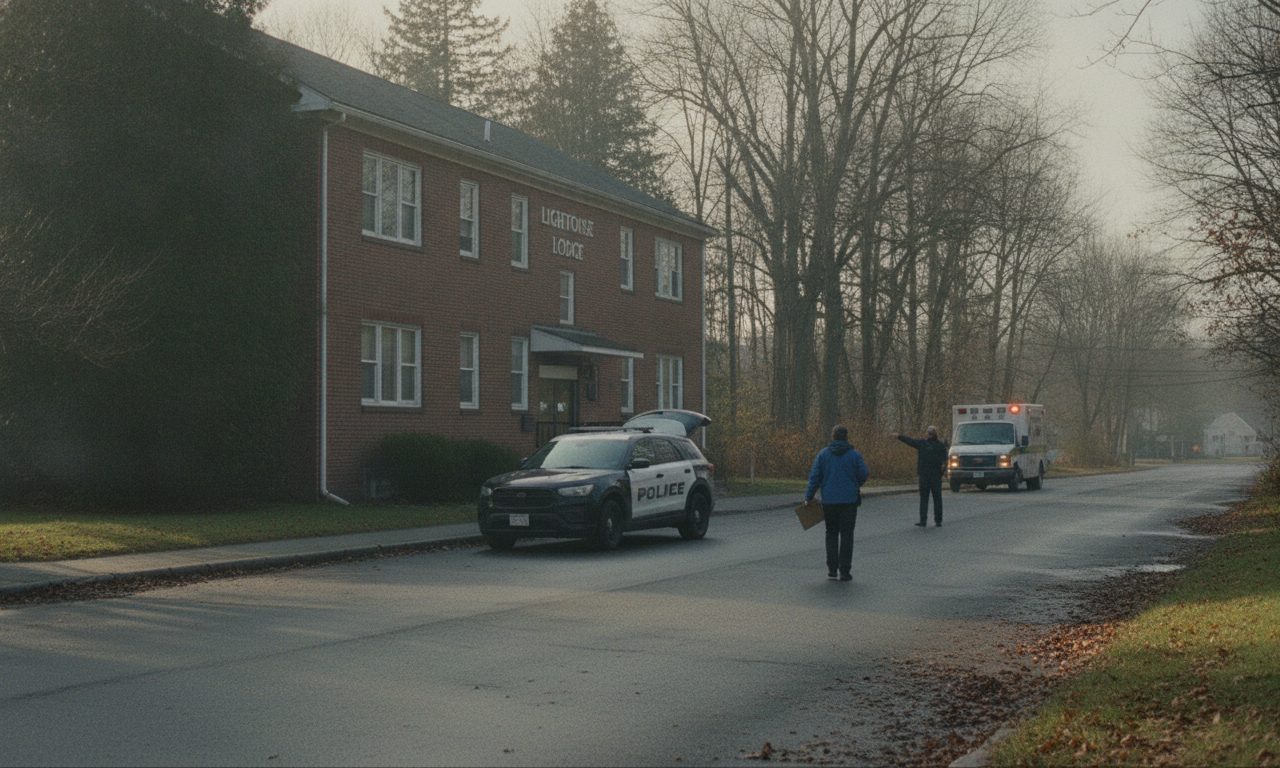
Multiple individuals required hospitalization following a series of overdose calls in St. Stephen between Oct. 18 and Oct. 20. Non-profit organization Neighbourhood Works confirmed its shelter, Lighthouse Lodge, responded to an increased number of cases over the past week, with staff and emergency personnel providing urgent care before the patients were treated and released.
Police Search for Illicit Drug Suppliers
In response to the sudden rise in medical emergencies, the RCMP announced an investigation into possible criminal activity connected to the incidents. Mounties are actively seeking information regarding individuals who might be distributing illicit substances in the region. Although overdose responses are primarily medical, authorities are evaluating potential criminal ties.
Local Organization Warns of Unpredictable Drug Supply
Neighbourhood Works emphasized in a community letter that the specific substances involved remain unconfirmed pending official findings. The non-profit noted that these occurrences highlight the ongoing hazards of an unpredictable drug supply affecting both large centers and smaller rural areas like St. Stephen. The RCMP reminded the public that consuming illegal drugs carries inherent risks due to unknown contents, urging anyone with relevant information to contact local police or New Brunswick RCMP at 1-888-506-7267.
COMMUNITY
Redeployment of Primary Care Nurse Practitioners to Emergency Rooms Raises Safety Concerns in Northern New Brunswick
Nurse practitioners in northern N.B. face forced redeployment to ER shifts at Campbellton Regional Hospital, raising patient care concerns.
Staffing Shifts Trigger Patient Care Concerns
Patients in northern New Brunswick are facing potential disruptions to their health care as nurse practitioners are involuntarily reassigned from primary care positions to cover staffing shortages in a regional emergency room.
According to an Oct. 18 statement from Nurse Practitioners of New Brunswick, several employees from the Restigouche region—specifically around three to four practitioners residing in the Dalhousie area—have been reassigned to serve as registered nurses in the Campbellton Regional Hospital’s emergency department.
Concerns Over Legal and Professional Obligations
Sharon Hamilton, president of Nurse Practitioners of New Brunswick, cautioned that the sudden transfers place both patients and practitioners in jeopardy. She noted that affected practitioners received short notice—sometimes only days—before being assigned to hospital shifts expected to last up to six months.
“It puts the patients in great jeopardy,” Hamilton said, “as well as putting the nurse practitioner … their licence in jeopardy because they have a legal obligation to their patients.”
Hamilton stressed that nurse practitioners possess advanced training allowing them to prescribe medication, order tests, and diagnose conditions independently. Abrupt reassignments leave little time to arrange ongoing coverage, leaving practitioners concerned about legal responsibility if their regular primary care patients suffer delayed treatment or misdiagnosis. She warned that displaced patients might ultimately seek care at overcrowded emergency rooms.
Health Network Defends Necessary Emergency Coverage
Vitalité Health Network stated that the temporary involuntary reassignments are essential for keeping emergency services operational while new staff undergo training. Dr. France Desrosiers, CEO of the health network, explained via email that volunteers from other departments and health zones have assisted in Campbellton since the summer, but temporary forced redeployments remain necessary for a small number of workers.
“These measures are necessary to navigate this transition period and maintain access to essential services,” Desrosiers wrote, adding that while open to finding long-term solutions, the network will not halt reassignments until an alternative is established. “This is not about choosing between primary care and emergency services. Our responsibility is to protect both,” she stated.
Calls for Transparency and Long-Term Solutions
The advocacy group fears this temporary measure could establish a precedent permitting regional health authorities across the province to pull healthcare professionals from primary practices at will. Hamilton pointed out that taking providers out of primary care runs counter to provincial efforts to reduce the estimated 270,000 to 280,000 residents currently without a primary care provider.
Nurse Practitioners of New Brunswick is demanding transparency from Vitalité and the provincial government regarding the decision’s rationale and its full impact on local primary care. The organization is asking for timely replacement coverage for affected patients and urging officials to directly involve nurse practitioners in crafting a sustainable, long-term staffing strategy. The Department of Health did not respond to requests for comment.
COMMUNITY
Free COVID-19, Flu, and RSV Vaccines Arrive for New Brunswick Residents This Fall
Free updated COVID-19, flu, and RSV vaccines will be available to eligible New Brunswick residents starting Oct. 13 through pharmacies and health clinics.
Updated Immunization Access Starts Oct. 13
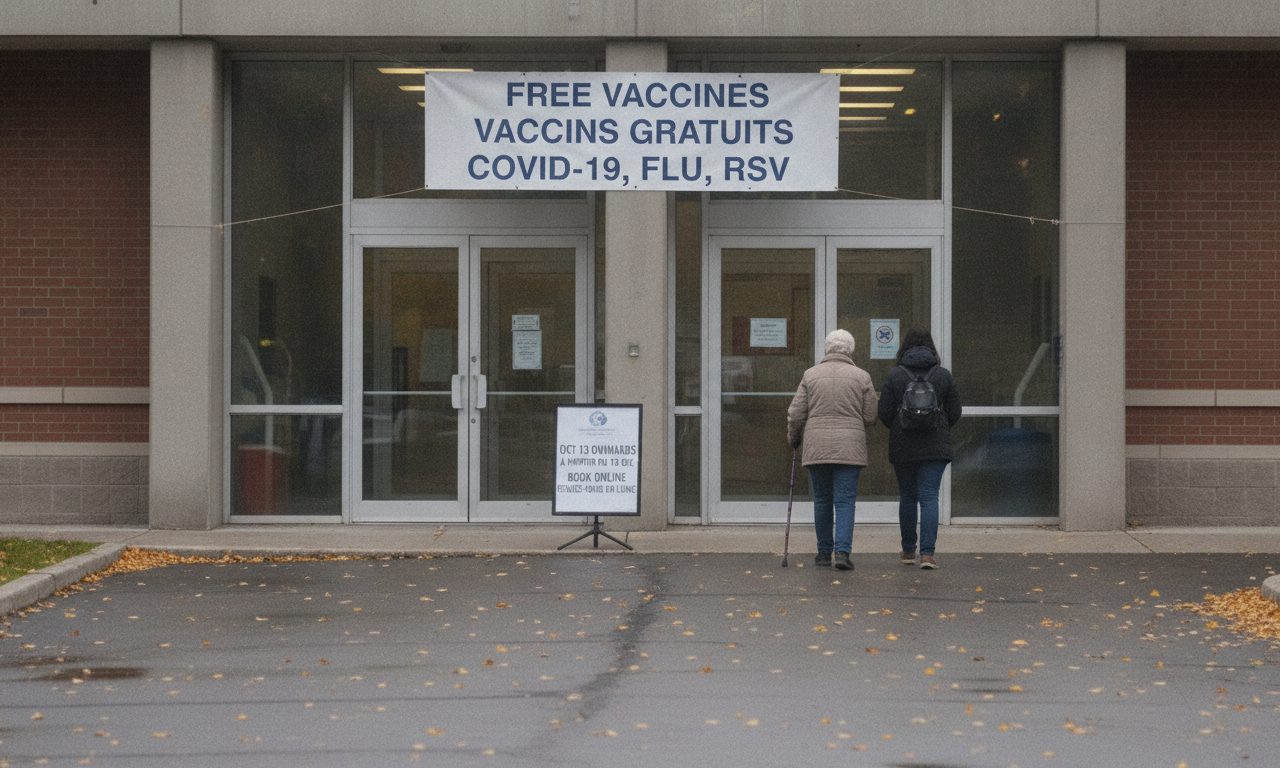
Free updated vaccinations against influenza and COVID-19 will become accessible to New Brunswick residents aged six months and older beginning Oct. 13. Individuals seeking to protect themselves can arrange appointments using the provincial web portal, through participating local pharmacies, or via select primary care providers. Both shots are permitted to be given during a single appointment.
Target Groups and Pediatric Delivery
Dr. Yves Léger, the province’s chief medical officer of health, strongly advises those facing higher risks of severe illness—including seniors aged 65 and up, residents of long-term care or congregate living facilities, expectant mothers, and individuals managing chronic medical conditions—to get immunized.
“With respiratory illness season approaching, vaccination is an important step people can take to protect their health and help protect others,” Dr. Léger stated. “Receiving both the flu and COVID-19 vaccines can reduce the chance of becoming seriously ill, requiring hospitalization and spreading illness to others.”
For children, shots can be accessed via Public Health offices or primary care providers, while select pharmacies cater to youth two years and older. Needle-hesitant youth between two and 17 years old can alternatively receive FluMist, an inhaled nasal spray flu vaccine.
RSV and Pneumococcal Disease Protection
The province’s 2026-27 respiratory illness prevention initiative also incorporates free coverage for respiratory syncytial virus (RSV) protection aimed at vulnerable groups, including seniors, infants, and individuals with compromised immune systems or conditions like diabetes and heart disease. RSV cases across New Brunswick dropped to 1,509 confirmed instances between August 2025 and August 2026, down from 2,552 recorded in the prior 12-month span.
Under the plan, infants born on or after April 1, 2026, can receive a single protective RSV dose prior to hospital discharge or via Public Health units, primary care providers, and First Nations community health centers before reaching eight months of age during their initial season. High-risk infants may qualify for a secondary dose in their second season.
Additionally, health officials urge residents 65 and older, as well as younger adults facing elevated risk, to verify their status regarding the free pneumococcal vaccine to guard against severe conditions such as pneumonia, bloodstream infections, and meningitis.
Your Current 3 Day Forecast — October 23, 2026
Dissident PC Member Prepares to Launch New Political Option in New Brunswick

A Conservative Organizer Aims to Launch a New Centre-Right Movement in New Brunswick

Why B.C. Lions Starters Are Resting as the Regular Season Concludes Against Winnipeg

What the Latest Strike Delay Means for the Arbec Wellness Centre Opening

Why Alberta’s Government Is Ruling Out Future Separation Votes

B.C. Supreme Court Grants Cowichan Tribes Title to Historic Richmond Lands and Fishing Rights

Vancouver Canucks Gear Up for a Make-or-Break 2025–26 Season

Land Title and Reconciliation: Canada Can’t Afford to Let Uncertainty Fester

Team B.C. Secures Margaret Todd Trophy at National Women’s Mid-Amateur Golf

Ottawa Unveils Build Canada Homes with $13B to Tackle Housing Crisis

Blue Jays Extend Win Streak, but Lose Bichette for Regular Season
-

 NATIONAL STORIES7 days ago
Why Albertans Are Heading to the Polls on the Question of Canadian Unity
-

 NB STORIES6 days ago
New Brunswick Progressive Conservatives to Reveal New Leader as Convention Concludes
-

 NATIONAL STORIES6 days ago
Decades of Western Alienation Lead Albertans to Referendum on Canada’s Future
-
LOCAL4 days ago
Your Current 3 Day Forecast — October 19, 2026
-
LOCAL6 days ago
Your Current 3 Day Forecast — October 17, 2026
-
LOCAL5 days ago
Your Current 3 Day Forecast — October 18, 2026
-
NATIONAL STORIES5 days ago
Tragedy at CFB Wainwright frames last-minute calls for unity as Albertans prepare for referendum vote
-
COMMUNITY3 days ago
Redeployment of Primary Care Nurse Practitioners to Emergency Rooms Raises Safety Concerns in Northern New Brunswick